
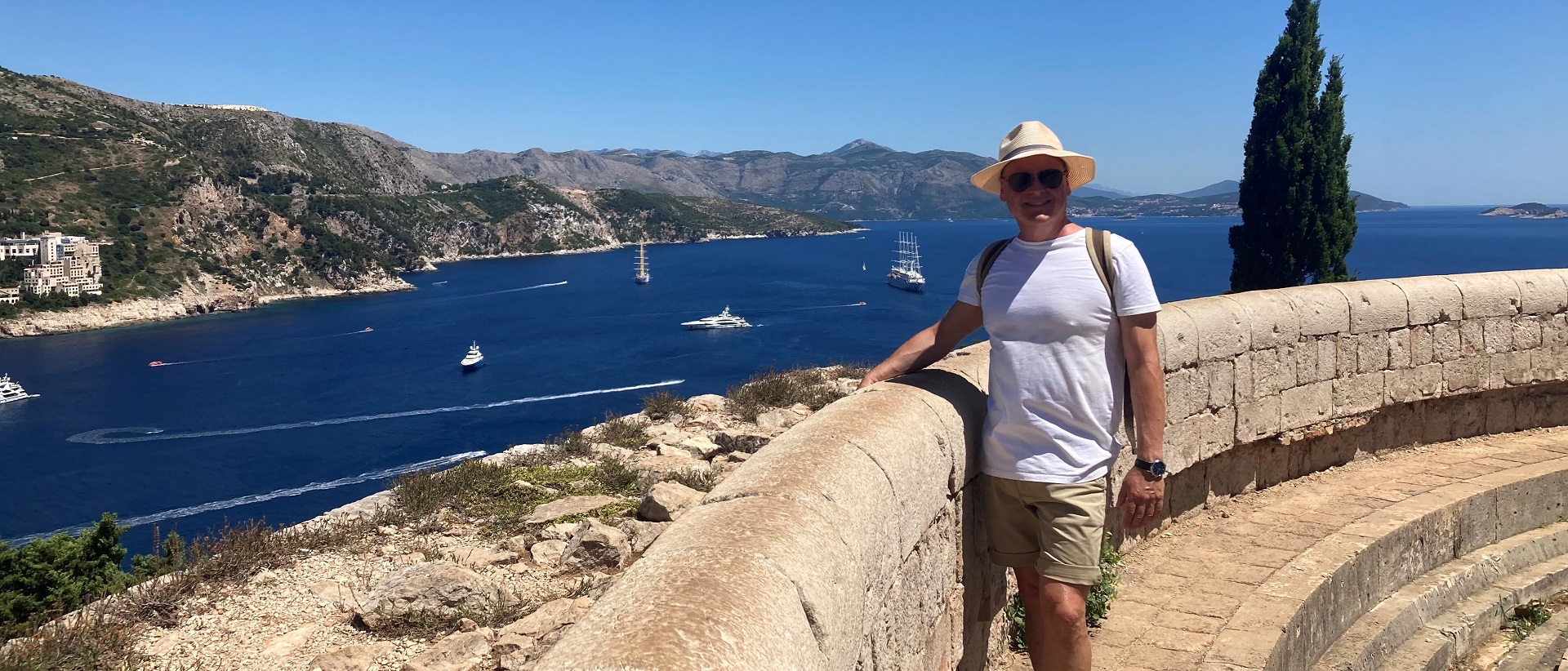
Few places in the Mediterranean capture the imagination quite like Croatia’s Dalmatian Coast. With turquoise waters, historic island towns and sun-drenched harbours, this coastline invites leisurely exploration. Sailing south from Split towards Dubrovnik, I discover a captivating blend of cultural treasures, spectacular scenery and authentic Croatian experiences.
Travelling by yacht or cruise ship adds another dimension to the journey. Along the way, I explore charming coastal towns, discover hidden coves and experience the pleasures of life on the water. Best of all, each destination reveals another facet of Croatia’s remarkable heritage.
Split: Where Ancient History Meets Modern Life
My journey begins in Split, a lively coastal city where Roman history meets contemporary Croatian life. Rather than simply admiring its famous landmarks, I explore the Old Town on a guided walking tour. With a local perspective, I discover the stories behind its remarkable architecture and historic streets.
The highlight is Diocletian’s Palace, an extraordinary Roman complex forming the historic heart of Split. Built in the fourth century for Emperor Diocletian, the palace remains remarkably well preserved. Today, its ancient walls enclose a fascinating maze of narrow streets, cafés, shops and restaurants. As I wander through its courtyards and passageways, I appreciate how seamlessly history blends into everyday life.
As sunset approaches, the Old Town takes on an enchanting atmosphere. I make my way to Peristil Square, the palace’s magnificent central courtyard. Here, centuries of history provide a dramatic backdrop for live music. Surrounded by ancient columns and atmospheric architecture, I enjoy a memorable introduction to Croatia.
Trogir: A Medieval Island Treasure
Leaving Split behind, I take a day trip to Trogir, a beautiful medieval town. Situated on a small island connected to the mainland by bridges, it feels wonderfully timeless. Its compact streets and historic squares invite exploration at a relaxed pace.
Trogir’s Old Town is renowned for its Romanesque, Gothic and Renaissance architecture. As I wander through narrow lanes, I discover intricately carved façades, historic churches and elegant buildings. Together, these treasures reveal the town’s rich artistic heritage.
One of the most impressive landmarks is the Cathedral of St. Lawrence. Its extraordinary Romanesque portal showcases the craftsmanship of medieval stonemasons. Indeed, the intricate details reveal the artistic traditions that flourished along this coastline centuries ago.
Beyond the architecture, I enjoy exploring at my own pace. I pause at a waterfront café, admire the harbour and absorb the atmosphere. Before returning to Split, I savour the simple pleasure of discovering this delightful island town.
Korčula: Island Life, Wine and Marco Polo
Continuing south, I sail towards Korčula, one of the Dalmatian Coast’s most appealing islands. Along the way, I pass the iconic islands of Brač, Hvar and Vis. The journey itself becomes a highlight, with opportunities to admire the coastline and enjoy the Adriatic’s sparkling waters.
Korčula is traditionally associated with the famous traveller Marco Polo, who is believed to have been born here. Its historic Old Town is surrounded by fortified walls, towers and gates. Inside, narrow marble streets wind between beautifully preserved buildings, creating an enchanting medieval atmosphere.
During a leisurely guided walk, I discover the island’s fascinating Venetian influences. The craftsmanship of its stonemasons is evident throughout the town, particularly around the impressive Cathedral of St. Mark. I also visit the building traditionally identified as Marco Polo’s birthplace. Afterwards, the Marco Polo Museum offers insights into the legendary traveller’s life and medieval exploration.
Yet Korčula offers much more than history. Its relaxed island atmosphere, inviting cafés and excellent local produce are equally appealing. A visit to a traditional bakery introduces me to everyday Croatian life. Meanwhile, local wine and cheese provide a delicious taste of the island’s culinary traditions.
One highlight is a wine tasting at the charming Tasovac Winery in Žrnovo village. Here, I sample local wines and discover the traditions behind regional winemaking. This experience connects Korčula’s cultural heritage with its landscape and people.
As evening falls, I return to the Old Town for a leisurely stroll. Streetlights illuminate the ancient stone buildings, while the waterfront invites lingering over dinner. Afterwards, I can enjoy a glass of wine and savour the island’s peaceful atmosphere.
Dubrovnik: The Pearl of the Adriatic
Continuing south, I sail past the stunning island of Mljet before reaching Dubrovnik. Recognised as a UNESCO World Heritage Site, this magnificent city is often called Croatia’s jewel. Its extraordinary beauty makes it easy to understand why.
Approaching from the sea offers a spectacular introduction. Imposing stone walls rise above the Adriatic, enclosing palaces, churches, monasteries and elegant squares. Much of the city’s fortifications dates from the medieval period. Together, they create one of Europe’s most recognisable historic cityscapes.
Once ashore, I explore the Old Town on foot, beginning along the famous Stradun. This elegant thoroughfare forms the heart of Dubrovnik’s historic centre. Polished limestone paving reflects the sunlight, while cafés and small shops line the street. Everywhere I turn, reminders of the city’s extraordinary past reveal its longstanding maritime connections.
Next, I walk along the ancient City Walls, an essential Dubrovnik experience. From this elevated vantage point, I enjoy sweeping views across terracotta rooftops, historic towers and the sparkling Adriatic. Along the way, I encounter impressive fortifications, including Minceta Tower and St. John’s Fortress. These structures once helped protect the prosperous Republic of Ragusa.
After exploring on foot, I discover another side of Dubrovnik from the water. A speedboat excursion reveals hidden coves, dramatic cliffs and beautiful stretches of coastline. At the Blue Grotto, I swim and snorkel in the clear waters before continuing towards Lopud Island.
Here, I embrace the slower pace of island life and enjoy a relaxing break. A light lunch completes the experience before I return to port. This coastal adventure provides a refreshing contrast to Dubrovnik’s historic streets and magnificent architecture.
A Taste of Southern Dalmatia
Beyond its scenery and history, Croatia offers a wonderful introduction to Mediterranean food and wine. From Dubrovnik, I embark on a gastronomic journey towards Ston and Mali Ston. These historic settlements combine medieval heritage with exceptional local produce.
Ston is famous for its impressive defensive walls, which stretch across the surrounding hills. Often compared to the Great Wall of China on a smaller scale, these fortifications reveal the region’s strategic importance. They also provide a fascinating insight into the former Republic of Ragusa.
Nearby, Mali Ston is celebrated for its oysters and mussels. These delicacies are cultivated in the sheltered waters of Mali Ston Bay. Sampling freshly harvested seafood becomes a highlight, particularly when paired with local wine.
Meanwhile, visits to regional wineries introduce me to southern Dalmatia’s distinctive flavours. Meeting local producers offers further insight into the traditions behind the region’s celebrated cuisine. Together, these experiences provide a delicious conclusion to my exploration of Croatia.
An Unforgettable Croatian Journey
Sailing from Split to Dubrovnik reveals Croatia at its most captivating. Each destination offers something distinctive, from Split’s Roman heritage to Trogir’s medieval charm. Korčula introduces me to island traditions, while Dubrovnik impresses with its magnificent fortifications.
Yet some of my favourite moments happen between destinations. Swimming in secluded bays, watching the coastline drift past and enjoying evenings on the water become lasting memories. These simple pleasures are every bit as rewarding as exploring historic towns.
For me, this is the true appeal of discovering Croatia by sea. The journey combines freedom and relaxation with rich cultural experiences. It also allows me to explore the Dalmatian Coast at a pace that encourages curiosity and enjoyment.
Ultimately, Croatia’s historic towns, sparkling waters and welcoming island communities create an unforgettable experience. Add exceptional cuisine and centuries of heritage, and the appeal becomes undeniable. Long after stepping ashore, I know the beauty of the Dalmatian Coast will stay with me.
See our The Flavours of Italy & Adriatic Discovery Cruise for more details on our Azamara sailing that includes Split, Korcula, and Dubrovnik.